
Price increases can occur due to standard market fluctuations or, more controversially, during times of instability. Accurately assessing when a cost hike crosses the line into predatory behavior requires a look at whether the inflation reflects actual necessity or opportunistic profit-taking during an emergency. The concept of price gouging remains a focal point for regulatory bodies aiming to prevent exploitation.
Definition and key indicators of excessive pricing
Defining excessive pricing often hinges on the deviation from historical price averages before an emergency period began. Regulators generally look for spikes that lack a clear correspondence to rising operational costs or procurement difficulties. Businesses that inflate margins simply because the immediate competition is incapacitated often fall under this definition.
The role of supply chain disruptions in costs
Supply chain constraints can cause legitimate cost increases that are misinterpreted as predatory behavior. When upstream costs, such as manufacturing materials or logistics, rise significantly, those costs eventually arrive at the retail level. Understanding the difference between a direct cost passthrough and an artificial markup is essential for determining market legitimacy.
Vulnerable markets susceptible to opportunistic increases
Certain categories, primarily essential goods like food, medicine, and power-generation equipment, face higher scrutiny than luxury items. During crises, consumers have little elasticity of demand, making these sectors prime targets for those willing to bend ethical standards. Market conditions often dictate which goods are susceptible to these patterns of exploitation.
Distinguishing between dynamic pricing and exploitation
Modern commerce relies heavily on computational models to manage inventory and demand levels. While these systems aim to optimize efficiency and maintain stock levels, public confusion often arises when these algorithms produce rapid, upward changes. Distinguishing between code-driven reactions and human-led profit seeking is a persistent challenge for modern oversight.
How supply and demand algorithms generate prices
Algorithmic pricing logic operates by tracking real-time availability and volume requests to ensure the product remains in stock for those who need it most. When demand outpaces supply, these systems naturally adjust prices upward to regulate the flow of goods. This mechanism, while frustrating to consumers, serves the objective of preventing immediate stock depletion.
Identifying artificial bottlenecks in product distribution
Distributing inventory effectively requires clearing hurdles that manifest during high-need periods. Certain practices can exacerbate these issues:
- Purposeful withholding of stock to induce scarcity.
- Bundling products to bypass individual item caps.
- Segmenting regional distribution to isolate supply clusters.
- Prioritizing wholesale distribution to speculative resellers.
These bottlenecks often indicate that the market isn’t reacting to real shortages, but rather to manufactured scarcity intended to drive prices higher.
The line between market-clearing prices and profiteering
Market-clearing prices aim to bring supply and demand into balance effectively. Profiteering, by contrast, ignores supply constraints and seeks to extract maximum value from distressed consumers. Establishing where legitimate market correction ends and exploitation begins remains a significant task for oversight committees.
The psychology of consumer demand during a crisis
Human behavior often shifts during emergencies, moving from rational consumption to reactive patterns that strain broader availability. Understanding these shifts allows for better communication and clearer inventory management. This change in behavior is frequently characterized by a sense of impending deprivation that overrides long-term financial reasoning.
Panic buying and the depletion of essential stock
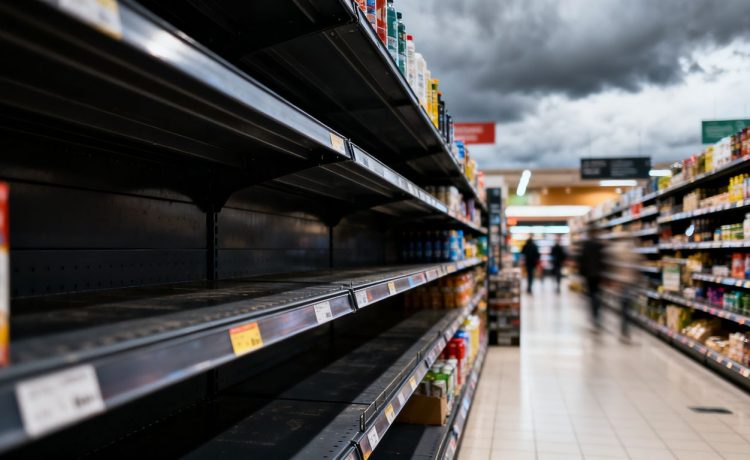
Panic buying occurs when the fear of scarcity triggers a rush on local inventory. This behavior often creates a self-fulfilling prophecy where items run out simply because consumers acquire more than their current requirements. Retailers often struggle to combat this, as traditional stock levels are rarely prepared for such extreme spikes in volume.
Perception of value during emergency situations
When a crisis strikes, the perceived value of basic goods often fluctuates, as consumers view availability as the primary feature. The cost of a necessity becomes subservient to the ability to secure it, which can temporarily decouple prices from their standard economic benchmarks. This shift creates short-term friction between the retailer’s cost expectations and the consumer’s financial readiness.
Trust erosion when prices misalign with consumer expectations
Brand perception often suffers if customers conclude that pricing mechanisms are unfair during emergencies. When the gap between the cost of goods and the price charged at the register grows, the result is a rapid decline in public trust. Rebuilding this relationship requires significant work after the panic subsides.
Legal frameworks and anti-gouging legislation
Regional and national laws serve as a check against behaviors that disadvantage the public during unstable periods. These statutes, including the Texas Deceptive Trade Practices-Consumer Protection Act and the New York General Business Law, provide mechanisms for reporting abuses. Adherence to these regulations is a bedrock expectation for operating in good faith.
State versus federal regulatory jurisdiction
Regulation often moves between state and federal oversight, depending on the scale and nature of the emergency. While the federal government has the authority to monitor broad market trends, states are typically at the forefront of enforcing local consumer protections during, for instance, localized weather events. Coordination between these levels is necessary but often complex to manage during active disasters.
Defining emergency windows in pricing laws
Legislation generally defines a specific window for when anti-gouging rules apply, typically following an official declaration of emergency. This period limits the extent to which businesses can adjust prices for essential commodities. Once the emergency status is lifted, companies return to standard competitive pricing structures.
Consequences for violating fair competition acts
Violations can result in significant legal and financial penalties, including fines and orders to provide consumer restitution. These acts are designed to maintain fairness and long-term viability within the marketplace, ensuring that individual corporate behaviors do not undermine the stability of local communities. Compliance requires rigorous monitoring of internal pricing policies during designated windows.
Ethical considerations for corporate pricing strategies
Corporate strategy requires a delicate balance between fiscal responsibility and protecting the interests of the community at large. Organizations that maintain consistent frameworks during crises often avoid the pitfalls associated with reputation degradation. Prioritizing long-term stability is generally wiser than capturing transient profit spikes.
Prioritizing long-term stakeholder value over short-term gains
Stakeholder satisfaction extends beyond quarterly profits to include customer trust, employee sentiment, and community relations. Taking a short-term approach to pricing can jeopardize these deeper connections, potentially leading to regulatory investigations and loss of market access. Companies tend to benefit when they emphasize enduring commitments over immediate windfall gains.
Corporate social responsibility during national disasters
Corporate social responsibility often dictates that firms should maintain affordable access to essential supplies when they are most needed. Providing steady-state pricing during a disaster acts as a clear indicator of organizational integrity. These efforts often define the public’s impression of a brand for years to follow.
Transparency in disclosing cost-based pricing justifications
Being forthright about why prices are changing helps mitigate dissatisfaction among the customer base. If price increases are legitimate and driven by cost-of-goods-sold changes, clearly communicating this data can calm anxieties. Transparency ensures that the business maintains a professional tone, even when the underlying economic environment is difficult.
The long-term impact on brand reputation and customer loyalty
When a company is perceived to have exploited a situation, the brand damage can extend far beyond the immediate crisis. Negative perceptions often harden, leading to sustained loss of favor. Alternatively, firms that demonstrate resilience and fairness frequently see their reputations strengthened.
Social media backlash and public discourse
Modern digital environments allow grievances regarding pricing to spread rapidly, creating a cascade of negative media attention. Discussions online often lack nuance, placing the focus squarely on the perception of the business’s ethics. This public discourse is difficult to manage once the narrative shifts toward condemning the brand’s actions.
Building brand resilience through equitable pricing
Equitable pricing is a strategy centered on maintaining trust by avoiding the optics of exploitation. By adhering to fair pricing standards, firms build defenses against the volatility of public opinion. This resilience becomes a competitive asset, demonstrating that the company serves its user base consistently and ethically.
Customer retention strategies following a public pricing scandal
Recovering from a scandal involves demonstrating accountability and often requires real, tangible changes in policy. Brands that own their missteps and provide clear plans for improvement are better positioned to retain their customer base. Honest engagement is critical to regaining the confidence of those who felt marginalized.